2016 was all about the #SomethingMustFall movement, from fees must fall, corruption must fall, data costs much fall, bad service delivery must fall, a “few I can’t mention here must fall” etc etc. It wouldn’t be fitting if I let the year pass by without me venting out my anger on one form conversion killer called Dropdowns. You know them, and have used them more often that not. Its that intelligent HTML code that had the ability to take an enormous list and compress it into one simple line.

Drop-down menus have been the foundation of user interface design since 1974, and numerous websites continue to use these usability killers. Users were able to bare their nuisances on desktop where there was more space and thereby extended the life of these dinosaurs. The mobile era is not as forgiving as its predecessor, and drop-down weaknesses are being exposed daily by frustrated users and low converting forms. The problem with dropdown menus is that they cannot function on platforms where the concept of a “hover state” doesn’t exist, such as it is on tablets and smartphones. I feel its time for dropdowns to retire, or at least be used differently, else they risk extinction.
#DropdownsMustFall today, not tomorrow. Namhlanje! Click To TweetHere are 15 limitations of dropdowns:
1. Desired option might be missing
Amazon where is South Africa?

2. Takes up a lot of space on mobile
SA Air using drop downs on mobile. See next image

Where am I by the way? There is a better way to handle this. Look at what your competitor FlySafair is doing. Excellent
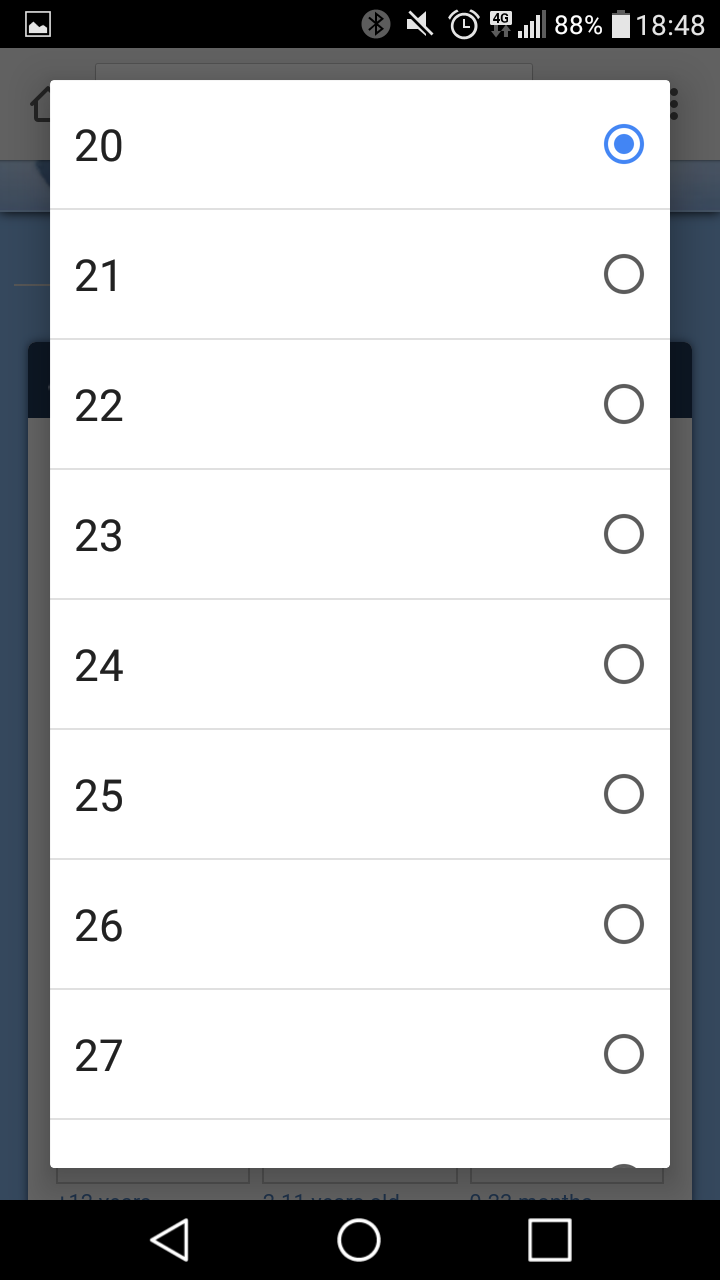
3. Difficult to assess the list length
4. Forces options you might not want
Are these the only options available? What about living apart or lobola paid and waiting for white wedding. You get my point right?
5. Degrades to awful “other” choice
6. Can’t type custom responses
7. Can be sorted unpredictably
8. Can take up whole screen on desktop
9. Can encourage endless options
10. Desired options can be far away
11. Pervasive “Country” drop downs are often unnecessary
12. Indentations are difficult to navigate
13. Categorization can create more confusion
14. Without labels, can be unpredictable
15. Can make your company look unsophisticated